After HIFU: A 72-Hour Recovery Roadmap for U.S. Patients
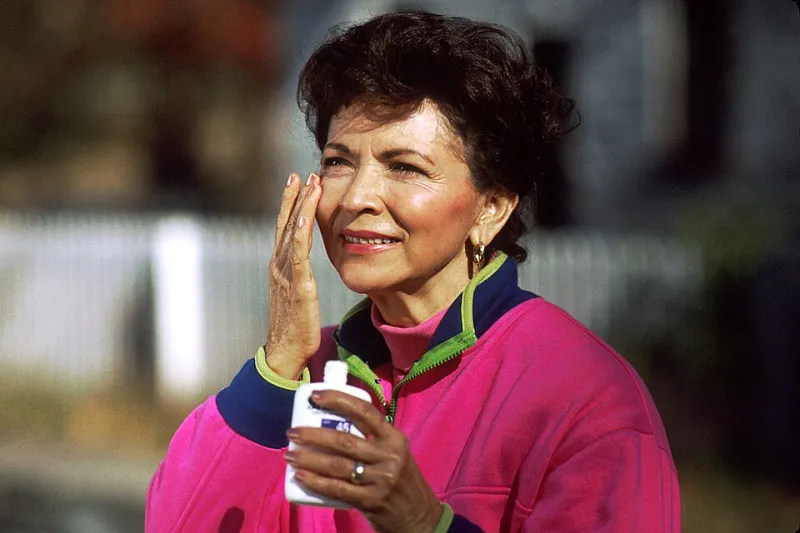
Photo: Bill Branson (photographer), Public domain, via Wikimedia Commons
HIFU, or high-intensity focused ultrasound, is a nonsurgical aesthetic treatment used to tighten and lift skin on the face and neck. Most U.S. patients return to work and normal routines quickly. Even so, the first 72 hours are not a passive waiting period. They are a window in which cleansing, sun protection, product selection, and activity choices can either support comfort or create avoidable irritation. This playbook is general education, not a substitute for the written aftercare instructions from your treating clinic.
Before the First Hour: Set Up a Simple Recovery Kit
A little preparation prevents frantic decisions later. Before your appointment, place a mild cleanser, a plain moisturizer, a broad-spectrum sunscreen with SPF 30 or higher, and a soft cool compress within easy reach. Confirm the clinic's after-hours contact number. Clear your calendar of strenuous workouts, hot yoga, sauna visits, and lengthy sun exposure for at least 48 hours. Loose bedding and a clean pillowcase are minor details that make tenderness feel less annoying.
Hours 0-6: Expect Warmth, Redness, and Tenderness
Mild redness, swelling, and tenderness are common after HIFU. Some patients describe a tingling or buzzing sensation; others notice small bruises at treatment points. These are generally expected and temporary. Follow your clinic's cleansing instructions. If you are told to leave the skin undisturbed for several hours, do so. When cleansing is permitted, use lukewarm water and fingertips rather than a brush or cloth.
A cool compress can improve comfort. Use a clean cloth as a barrier and keep it brief, roughly 10 minutes at a time. Do not chase numbness with aggressive icing. HIFU relies on controlled heat, and the goal after treatment is calm skin, not deep cooling. Ask your clinic before taking any pain medication, especially if you bruise easily or take blood thinners.
Skip makeup until the clinic clears you, particularly if the skin is red or broken. Avoid alcohol for the first 24 hours if your clinic advises it, since it can contribute to flushing and swelling.
Hours 6-24: Keep the Routine Boring
Simple is better on day one. Cleanse gently, pat dry, apply a bland moisturizer, and use sunscreen if you will be outdoors. Do not introduce retinol, alpha-hydroxy acids, beta-hydroxy acids, exfoliating scrubs, vitamin C serums, or enzyme masks. These products are not heroic recovery aids; they are common sources of stinging and redness.
Also skip facial massage, gua sha, jade rollers, microcurrent devices, at-home LED masks unless approved, and any other facial treatment. The skin and underlying tissue need time to settle. If you must sleep on your side, do so comfortably; there is no convincing evidence that a single night of side-sleeping ruins HIFU results.
Hours 24-48: Add Light Activity, Not a Full Routine
Light walking is usually reasonable. Strenuous exercise, hot yoga, steam rooms, saunas, and long hot showers are better postponed for about 48 hours or until your clinic permits them. Heat and vigorous activity can increase flushing and swelling, which makes it harder to judge whether the skin is settling normally.
Sun protection remains essential. Use a broad-spectrum sunscreen and a hat for extended outdoor time. This is not because HIFU makes skin fragile in a dramatic way, but because post-treatment skin is more comfortable when it is not also managing sun exposure.
Hours 48-72: Reassess Before Reintroducing Products
By the third day, most redness and swelling should be fading. Tenderness may linger, especially in bony areas or along the jawline. If the skin feels calm, many clinics allow a return to gentle cleansers and moisturizers. Ask before restarting active ingredients. A common approach is to wait until redness and sensitivity resolve, often around 72 hours, though your provider may recommend longer.
Do not rush back to aggressive exfoliation or professional facials. HIFU is a structural treatment, and the visible surface is only part of the recovery picture.
What to Skip—and Why
Several aftercare myths circulate online. More heat is not better; adding hot compresses or heating masks does not improve HIFU results. Aggressive icing is not a sign of discipline. Collagen powders and special drinks do not provide meaningful acute recovery support. Retinol immediately after treatment does not boost results and may irritate. And a single night of imperfect sleep does not determine your final outcome.
Normal vs. Not Normal: A Symptom Checklist
Normal findings include mild to moderate redness for 24 to 48 hours, tenderness for several days, slight swelling, tingling, and small bruises. Symptoms should generally improve, not intensify.
Call your clinic promptly for severe or worsening pain, blistering, open skin, spreading redness, pus, fever, increasing warmth, numbness that worsens rather than fades, or a new and pronounced asymmetry. Seek urgent medical care for vision changes, facial weakness, or any symptom that feels systemically unwell. When in doubt, send a clear photo to your clinic and ask for guidance.
The Bottom Line
HIFU aftercare is mostly about restraint. Cleanse gently, moisturize plainly, protect from the sun, postpone intense heat and exercise, and avoid product experimentation. Follow your own clinic's instructions above generic advice, and call early if something looks or feels wrong. A calm first 72 hours supports a clearer assessment of your result and a more comfortable recovery.